
Who is Shohei Ohtani — why collectors care
Shohei Ohtani is one of the most extraordinary baseball talents of the 21st century — a two-way star who pitches and hits at the major-league level. That rare combination, plus MVP-level performance, international fame, and a large collector following, has made shohei ohtani trading cards among the most sought-after modern baseball cards.
- High demand from collectors and casual fans alike
- Strong performance and headline-making achievements fuel interest
- Multiple rookie and autograph card variants exist across major sets
Key shohei ohtani cards every collector should know
Ohtani’s collectible cards come in a few clear groups. Knowing these helps you identify what you have and why it might be worth more than a common base card.
- Rookie-year base cards — the standard “rookie” images from his first MLB season
- Rookie parallels and refractors — chrome, refractor, and serial-numbered variants
- Autograph cards — sticker-autographs and on-card signatures
- High-end memorabilia and patch cards — multi-material and limited serial-numbered pieces
- Short prints, insert cards, and international releases — specialty chase items
Rookie & early-career cards
Collectors often focus on cards from Ohtani’s MLB rookie year and the first wave of major releases that carried official rookie designations. These are typically the most recognizable: base rookies, Chrome refractors, and rookie autographs or serial-numbered parallels. Because card production spans many sets and brands, the term "rookie card" can refer to different cards depending on set and collector convention.
Autographs and high-end cards
Autograph cards — especially on-card autos and low-numbered parallels with swatches or patches — are the highest-value tiers. Limited runs, numbered editions (e.g., /99, /25, /1), and those from premium products are the most collectible.
How to identify an authentic shohei ohtani card (photo checklist)
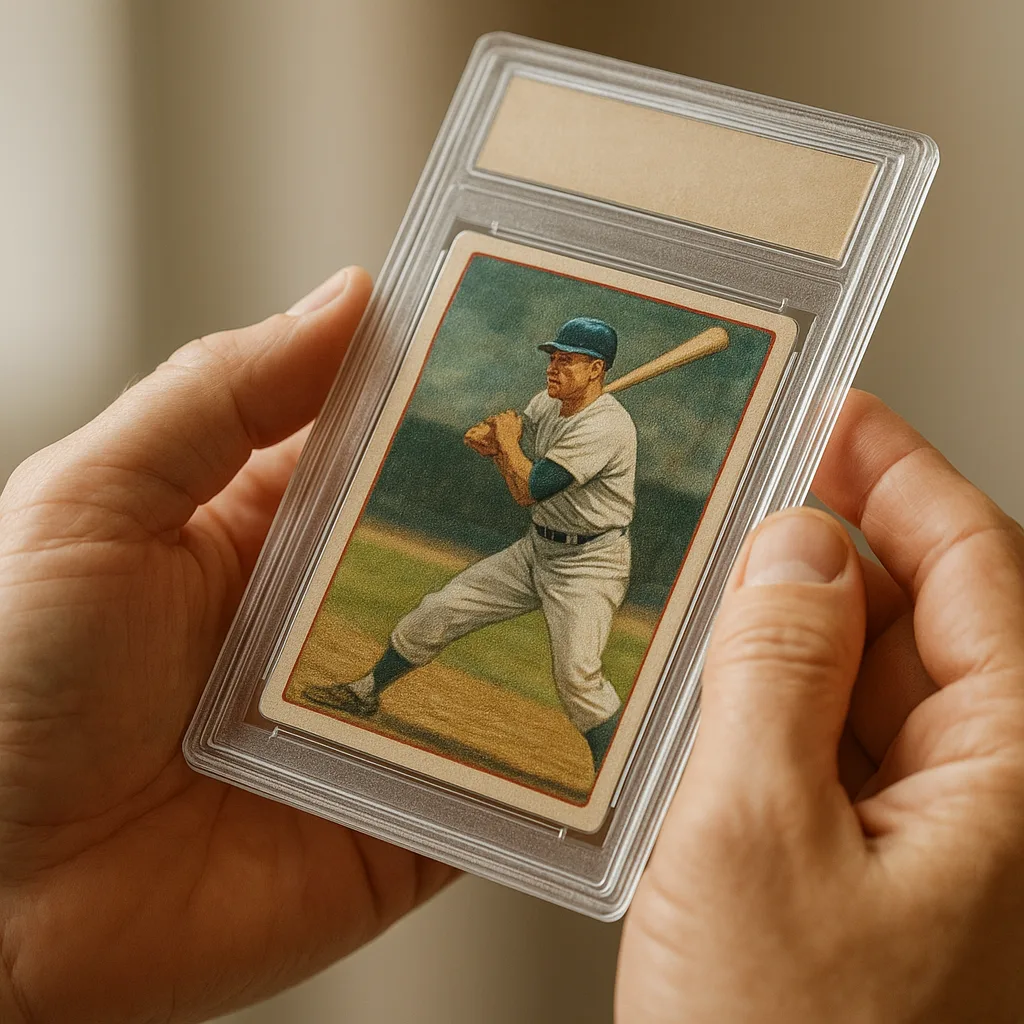
When you photograph a card to identify it and estimate value, pay attention to details that confirm authenticity and help distinguish variations.
- Front image and set name/logo — identify the manufacturer (Topps, Bowman, etc.).
- Card year and copyright line — confirms the release year.
- Card number — often on the back or front, used for exact identification.
- Serial number/silver foil — indicates limited runs or parallels.
- Autograph type — sticker vs on-card and any authentication labels.
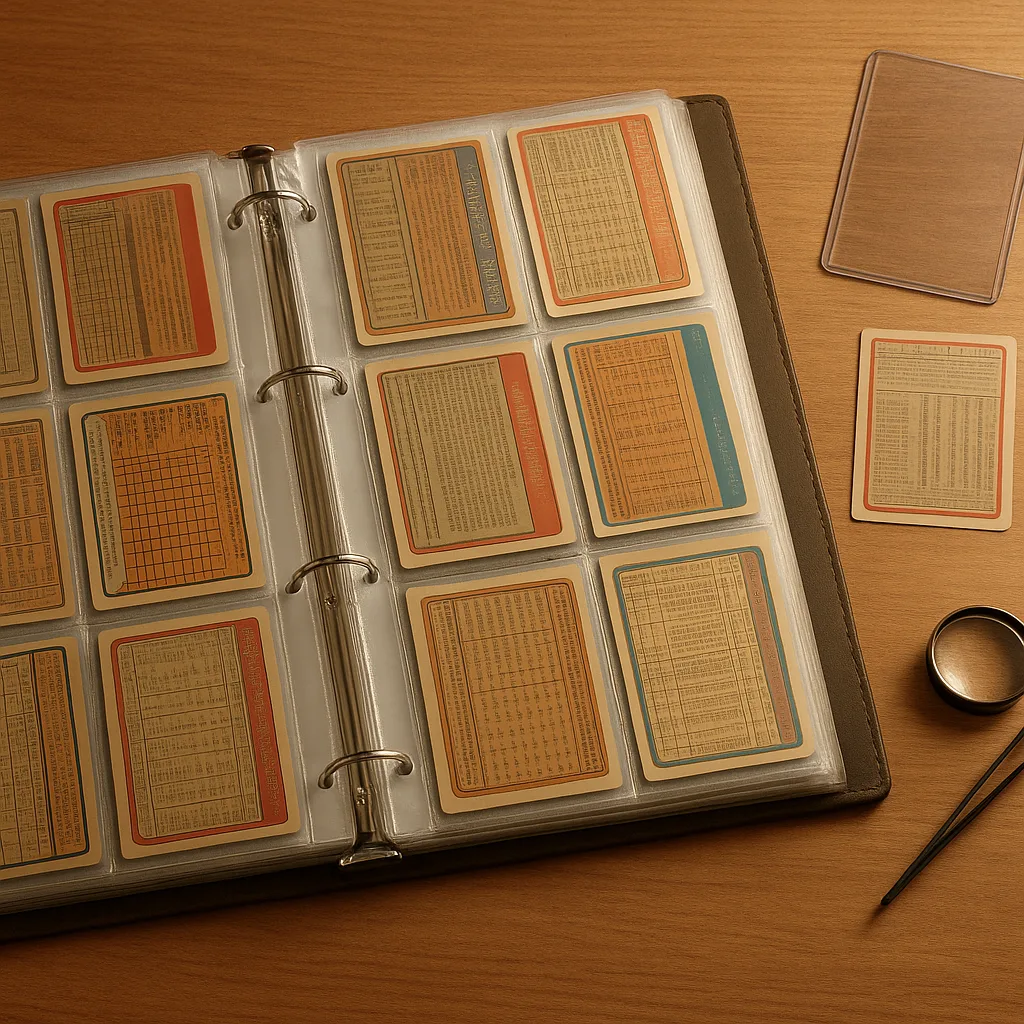
- Back text and stats — reprints and knockoffs often have sloppy backs or incorrect fonts.
Apps like Orvik can analyze a photo, match the card to its issue, and show approximate market values and comparable listings. Taking clean, well-lit photos of both front and back will give the best results.
Spotting reprints, repacks, and counterfeit cards
Modern cards are harder to fake than older era cards, but counterfeits and unauthorized reprints still exist. Know these red flags:
- Incorrect or missing copyright dates and manufacturer logos
- Blurry printing, off-center fonts, or inconsistent card stock
- Autographs that look identical across multiple cards — many fakes reuse the same signature
- Reprints sometimes say "Reprint," "Replica," or have a different gloss/paper feel
- Serial numbers that don’t match known set runs or use odd fonts
If in doubt, photograph the card and run it through a reliable identifier (like Orvik) and compare to graded population reports and recent auction photos.
Grading and condition: how they affect shohei ohtani card value
Grading is one of the single biggest drivers of card value. Professional grading companies (PSA, SGC, BGS) examine centering, corners, edges, and surface — and then give a numeric grade. For autographs, companies may grade the signature separately.
- Condition tiers: Ungraded / raw cards < graded (value depends on buyer trust)
- PSA/BGS/SGC grades: higher numbers (PSA 10 / BGS 9.5) command premium pricing
- On-card autographs typically fetch more than sticker autographs, all else equal
- Population reports and census data influence scarcity perception — but don’t rely on single numbers
Before submitting a card to a grader, carefully assess centering, surface scratches, and edges. Small differences can mean the gap between a high four-figure sale and a low five-figure sale for top-tier Ohtani rookie cards.
Shohei Ohtani rookie card value trends 2026
Market trends for shohei ohtani rookie cards have been dynamic. By 2026, prices have reflected a mix of factors: on-field performance, broader sports-card market cycles, and macroeconomic sentiment. Here’s what collectors should understand about recent trends and what might influence future movement.
- Performance-linked spikes: big seasons and awards tend to lift demand for key rookie and autograph cards.
- Scarcity and grading: PSA 10s and rare parallels remain the most price-stable segments.
- Macro cycles: the sports-card market moves in waves; price corrections and rebounds are normal.
Broad value categories (approximate, hedged):
- Common ungraded base rookie cards: often accessible to casual collectors (hundreds range in many cases, varies by variant and condition).
- Graded mid-range (PSA 7–9) or refractor parallels: can range from low thousands to mid-thousands.
- Top-graded rookies (PSA 10) and low-numbered refractors/autographs: reach high thousands into multiple tens of thousands, depending on scarcity and market demand.
- Ultra-rare, unique items (1-of-1 patches, low-numbered prime autographs): can reach very high values, sometimes into six figures in strong markets.
Remember: these are broad buckets. Individual listings, buyer urgency, and the sales channel (e.g., private sale vs major auction) can shift realized prices significantly.
Where to check prices, verify authenticity, and track your collection
Use multiple verification sources and market tools to get a clear picture of value and authenticity.
- Grading company population reports (PSA, BGS) — useful for relative scarcity.
- eBay completed listings — real-world sale comparables; filter by condition and grade.
- Major auction houses (Heritage, Goldin) — reference high-dollar realized prices.
- Price guides and subscription services (Beckett, Market Movers) — for historical pricing and trend data.
- Card identification apps — Orvik can identify a shohei ohtani baseball card from a photo, show recent market value ranges, and help you track your collection for free.
Combining these sources offers the best chance to estimate a fair market price and avoid overpaying or underselling.
Buying, selling, and protecting your Ohtani cards
Whether you’re shopping for your first shohei ohtani rookie card or selling a high-value autograph, follow best-practices to preserve value and avoid hassle.
- Storage: use penny sleeves, top loaders, and magnetic cases for graded cards; humidity- and temperature-controlled environment.
- Handling: touch edges only, wash hands, avoid oils and fingerprints.
- Shipping: double-box, use tracking and insurance, and consider signature confirmation for high-value shipments.
- Grading tips: slabbed cards are easier to sell; however, submission cost and turnaround time vary based on grade request and company backlog.
- Selling channels: peer-to-peer marketplaces for quicker sales; auction houses for ultra-high-end cards where provenance and marketing matter.
Before selling, get photos, provenance (purchase receipts or grading documents), and a recent market check — Orvik can help by identifying the card from a photo and showing comparable sale trends.
Conclusion
Shohei Ohtani cards remain among the most compelling modern baseball collectibles because of his unique two-way career and global appeal. Learn to identify key rookie issues, check for authenticity, consider professional grading, and use multiple market tools to estimate value. Tools like Orvik make quick identification and tracking easy—helpful whether you’re a casual fan or a serious investor. Stay informed, protect your cards, and buy/sell with comparable data at hand.
Work through it yourself
The keys below are free, need no account, and render every entry in the page source — so they work with scripting switched off, and the whole list is readable rather than hidden behind a filter.
- What is the silver in this coin worth? — Melt value for 22 circulating silver and gold coins at any spot price.
- Is this plant poisonous to dogs or cats? — Look up 73 plants and see what each one does to a dog, a cat or a horse.
- What succulent is this? — Growth form, leaf shape and flower narrow 28 succulents.
- CoinSnap alternatives — and why no photo can grade a coin — prices and in-app purchase lists pulled from the App Store, not typed.
- Google Lens alternatives for identifying nature — prices and in-app purchase lists pulled from the App Store, not typed.
Frequently Asked Questions
- What is Shohei Ohtani's most important rookie card?
- There isn't a single definitive card; collectors focus on early 2018 rookie-year releases (base, Chrome, and autograph variants) and low-numbered parallels. The "most important" depends on rarity, autograph status, and grading.
- How can I tell if my Ohtani card is a reprint or counterfeit?
- Check copyright dates, manufacturer logos, card stock quality, font consistency, and serial-number formatting. Compare front/back photos to known authentic examples or use an ID tool like Orvik for a quick match.
- Do autographs always add value to shohei ohtani cards?
- Generally yes — authenticated autographs, especially on-card signatures and low-numbered signed parallels, add significant value. Sticker autographs typically sell for less than on-card autos, all else equal.
- Should I grade my Ohtani rookie card?
- Grading can substantially increase liquidity and price confidence, particularly for high-end cards. Consider grading if your card is in near-mint or better condition and if the expected uplift outweighs submission costs and wait times.
- Where can I check recent sale prices for Ohtani cards?
- Use multiple sources: eBay completed listings, auction houses (Heritage, Goldin), grading company population reports, and price guides. Orvik can identify the card from a photo and show comparable market data for free.
- How have shohei ohtani rookie card values trended in 2026?
- Values have been influenced by on-field performance, grading scarcity, and broader market cycles. Top-graded and low-numbered Ohtani rookies remain in high demand; other variants saw more fluctuation. Use recent sales to judge current pricing.
- What's the difference between sticker and on-card autographs?
- Sticker autographs are signed on adhesive labels later applied to the card; on-card autographs are signed directly on the card surface. Collectors usually prefer on-card signatures, which can carry a premium when the condition is otherwise strong.
- Can Orvik help me value and track my Ohtani collection?
- Yes. Orvik identifies cards from photos, shows market value ranges and comparable listings, and offers collection-tracking tools — all useful for managing shohei ohtani baseball card holdings.