
Introduction: Why LeBron James trading cards matter
LeBron James trading cards are among the most collectible and valuable in modern sports-card collecting. From his 2003–04 rookie season to contemporary Panini releases, collectors chase rookies, autographs, low-numbered parallels, and high-end memorabilia pieces. This guide explains how to identify key lebron james trading cards, what affects lebron james card value, grading and authentication, where to check prices, and which tools—including the free Orvik app—help you identify and track cards from a photo.
Key LeBron James cards to know
When people search for "lebron james trading cards" they usually mean a handful of important card types. Know these categories so you can recognize what you have or what to chase:
- 2003–04 rookie cards — generally considered the most important LeBron cards; includes early inserts, chrome, and autograph variants.
- Autograph cards — signed cards add significant value, especially when serial-numbered and authenticated.
- High-end patch/memorabilia cards — National Treasures, Exquisite, and similar releases that include jersey patches and low print runs.
- Parallel and numbered inserts — Prizm parallels, numbered prints (e.g., /99, /25, /1) and color-graded variants.
- Modern Panini sets — Panini controls most NBA licenses now, so many recent lebron james basketball cards come from Panini Prizm, Chronicles, Donruss, and National Treasures.
Examples to look for
- Classic rookies: 2003–04 Topps Chrome and other 2003–04 sets.
- High-end autos and patches: numbered autographs or book cards from premium brands.
- Panini Prizm parallels and hobby-exclusive inserts.
How to identify originals, rookies, and reprints
Telling originals from reprints or retail-only issues is crucial. Follow these practical checks:

- Check the copyright year and set name — the back of the card shows the year and manufacturer (Topps, Upper Deck, Panini, etc.).
- Look for manufacturer logos and holograms — authentic high-end cards usually have holograms, serial-numbering, or special logos indicating limited runs.
- Examine print quality and card stock — reprints often use thinner stock and have lower print clarity; foil/chrome finishes look different under light.
- Serial numbers and autograph stickers — many originals are numbered (e.g., "/99") or contain on-card autographs; stickers can be authentic but are often accompanied by authentication statements on the back.
- Research set checklists — a quick web search for the specific set year and checklist will tell you whether a card was originally issued in a hobby set, retail set, or as a later reprint.
Tools like Orvik can help identify a card from a photo and flag likely originals vs common reprints by matching the image to known set data.
Grading: How it affects LeBron James card value
Grading is one of the largest value drivers for lebron james basketball cards. Grade, authentication, and encapsulation by major services can dramatically increase liquidity and trust.
Major grading services
- PSA (Professional Sports Authenticator)
- Beckett Grading Services (BGS)
- SGC (Sportscard Guaranty)
What graders look for
- Centering — how well the image sits on the card.
- Corners — sharpness and wear.
- Edges — nicks, chipping, or white borders.
- Surface — scratches, print defects, stains, or wax residue.
- Autographs — on-card vs sticker autos, ink quality, and authenticity (not a condition grade but relevant).
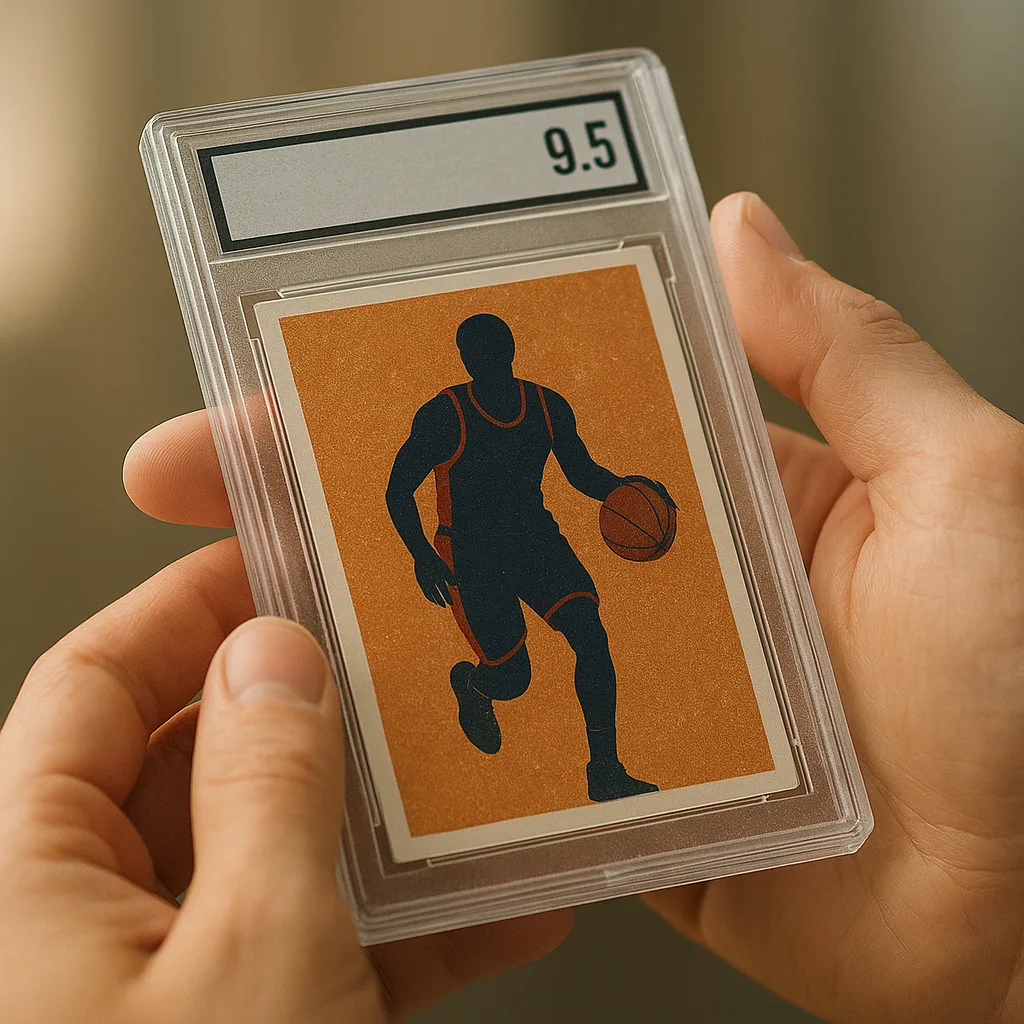
High grades (PSA 9/10 or BGS 9.5/10) typically command premium pricing. Always weigh grading costs, turnaround times, and current market demand before submitting.
Where to check lebron james card values
Prices fluctuate with demand, supply, and recent auction results. Use multiple sources to triangulate a reliable value:
- eBay sold listings — real-time marketplace data; check "sold" and "completed" listings for final prices.
- PSA Population & auction pages — shows graded trends and auction records.
- Beckett Price Guide — long-used price reference for sports cards.
- Major auction houses — Heritage, Goldin, and others list realized prices for high-end sales.
- Market apps and aggregators — Orvik can identify a card from a photo and provide a quick market estimate and tracking tools; other apps include market-specific platforms and price guides.
Checking multiple sources helps avoid relying on one outlier sale or listing.
LeBron card values: realistic ranges and comparisons
Values vary dramatically based on card type, rarity, and grade. Below are general, hedged ranges to give context — these are not exact current prices but reflect typical market tiers as seen in recent sales.
- Ungraded base rookie cards: often range from low hundreds to several thousand dollars, depending on condition and variant.
- Graded base rookie cards (PSA 9/10): can range from several thousand to tens of thousands, sometimes more for premium rookie variants and pristine examples.
- Autograph rookies and serial-numbered autos: commonly fetch higher multiples — from several thousand into six figures as grade, autograph quality, and serial numbers improve.
- High-end patch/portfolio cards (National Treasures/Exquisite): these are the top tier and can move from tens of thousands to high six or even seven figures for the rarest, lowest-numbered pieces.
- Modern Panini parallels and Prizm refractors: values depend on scarcity, numbering, and grade; some hobby-exclusive parallels appreciate strongly, others hold modest premiums.
Comparison tip: When comparing two cards, match the same set, year, serial number range, autograph status, and grade to get an accurate apples-to-apples view.
Buying, selling, and authentication tips
Whether you want to grow a collection or cash out, follow practical steps to avoid costly mistakes:
- Research before buying — check sold prices, compare similar graded/population numbers, and verify seller feedback.
- Ask for high-resolution photos — inspect corners, edges, centering, and autograph clarity.
- Prefer authenticated/graded items — grading reduces risk and widens the buyer pool.
- Use reputable marketplaces — major auction houses, well-rated eBay sellers, and established consignment shops.
- Insure and track shipments — high-value cards should be shipped with insurance and signature confirmation.
Orvik is a helpful free tool to identify a card from a photo before purchase; it can save time and point you toward likely set IDs and market estimates to inform offers.
Storing and caring for LeBron basketball cards
Proper storage preserves condition and future value. Basic steps:
- Use penny sleeves for individual cards, then place into top loaders or magnetic holders for graded or valuable cards.
- For high-end cards, use one-touch magnetic cases and store in a cool, dry place away from direct sunlight.
- Avoid frequent handling; wash hands before touching or use nitrile gloves when necessary.
- Consider climate control — high humidity and temperature swings can warp cards or damage stickers and autographs.
- Keep documentation — receipts, grading certificates, and provenance make resale simpler.
Using apps and tools (including Orvik) to manage your collection
Digital tools streamline identification, value tracking, and inventory management:
- Orvik — free photo-identification app that recognizes cards, provides market estimates, and helps track collections. It’s fast for on-the-spot ID and price checks.
- Price guides and aggregator apps — check multiple apps to see recent sales and trends.
- Inventory software — maintain a list of serial numbers, grades, and acquisition cost for tax and insurance purposes.
Using Orvik alongside other market sources gives the best balance: quick identification and ongoing tracking with Orvik, and detailed sale histories from auction houses and PSA/Beckett records.
Conclusion
LeBron James trading cards remain a core pillar of modern sports-card collecting. Understanding key rookie issues, autograph and patch tiers, grading impacts, and how to spot reprints will help you buy, sell, and care for cards wisely. Use multiple price sources, prepare cards properly for grading, and leverage tools like Orvik to identify and track cards from a photo. With careful research and proper storage, you can make confident decisions whether you’re a beginner or seasoned collector.
Work through it yourself
The keys below are free, need no account, and render every entry in the page source — so they work with scripting switched off, and the whole list is readable rather than hidden behind a filter.
- What is the silver in this coin worth? — Melt value for 22 circulating silver and gold coins at any spot price.
- Is this plant poisonous to dogs or cats? — Look up 73 plants and see what each one does to a dog, a cat or a horse.
- What succulent is this? — Growth form, leaf shape and flower narrow 28 succulents.
- CoinSnap alternatives — and why no photo can grade a coin — prices and in-app purchase lists pulled from the App Store, not typed.
- Merlin or eBird: which Cornell app do you actually need? — prices and in-app purchase lists pulled from the App Store, not typed.
Frequently Asked Questions
- What is the most important LeBron James rookie card?
- Collectors typically view 2003–04 rookie cards (Topps Chrome, SP Authentic, and other hobby rookies) as the most important LeBron rookies. Value depends on variant and grade.
- How much are LeBron James basketball cards worth?
- Values vary widely by card type, condition, grade, and scarcity. Ungraded rookies may be in the hundreds to low thousands, while high-grade, signed, or high-end patch cards can reach much higher ranges. Always check recent sales for up-to-date pricing.
- Should I grade my LeBron James card?
- Grade if the card is a key rookie, signed, serial-numbered, or likely to benefit from higher market confidence. Factor in grading fees, turnaround time, and the card's expected increase in value.
- How can I tell if a LeBron autograph is real?
- Look for on-card signatures, manufacturer authentication statements, holograms, and compare to known exemplars. Grading/authentication services (PSA/DNA, Beckett Authenticator) provide professional verification.
- Where can I check recent LeBron card sales?
- Use eBay sold listings, auction houses (Heritage, Goldin), PSA auction pages, Beckett price guides, and market aggregators. Apps like Orvik can help identify the card and point to recent sales data.
- Are Panini LeBron card values different from earlier sets?
- Panini controls most modern NBA licenses, so newer lebron james panini card value depends on Panini product tier (Prizm, National Treasures, etc.), parallel scarcity, and autograph/patch status. Panini parallels often carry premiums, but values follow grade and demand.
- How should I store valuable LeBron cards?
- Use penny sleeves, top loaders, or one-touch magnetic holders for high-value cards. Store in a cool, dry environment away from sunlight and fluctuations in temperature or humidity.
- Can Orvik tell me the value of a card from a photo?
- Orvik can identify a card from a photo and provide market estimates and tracking tools. It’s a useful free first step before deeper price research on auction sites or price guides.